Bobbie Ann Cole speaks to us about what she believes has changed in Christian Fiction, as well as explaining the inspiration behind her new book Being Lena Levi (shortlisted for the Eyelands Book Awards 2019).

Christian fiction is definitely changing. It was very clear to me at the Christian Resources Together event last year [Christian book trade event] that what was wanted by commissioning editors of Christian imprints was crossover material. By that I mean something that is perhaps less overtly Christian than in the past, to appeal to non-Christians as well as Christians.
I see two drivers underpinning this. Firstly, many Christian bookshops, particularly independent Christian bookshops, have closed in recent years, so the market for books that are purely Christian has reduced. Secondly, and probably more importantly, is the realisation that a book can be a jolly good evangelical tool, if it can appeal to the non-Christian reader.
I believe Being Lena Levi will appeal to non-Christians as well as Christians. It is the story of a young girl who discovers, in 1950, that she’s not the English Sunday Christian she thought, but the daughter of a Holocaust survivor now living on a kibbutz in Israel, ie she is Jewish. She sets out on a quest to find her true identity and, in the process, grows in her Christian faith. However, the tussle between one faith and the other – or none – is a legitimate part of Lena’s journey to work out who she is.
The book was inspired by the Bible story of King Solomon, who is presented with two mothers, both claiming the same child. He found in favour of the one who was willing to give up the child and deemed her the true mother. I wondered how it would be if both were willing to do that? And what would it take to make any mother give up a child? How would they react when that child subsequently rejected them? Because my heroine is furious with both mothers when she discovers the truth, which comes as a bombshell. The birth mother has waited five whole years since the end of the war to claim her daughter, while the adoptive one hasn’t told her she’s adopted.
Being Lena Levi is set in Canterbury, where I now live. In 1950 it was still a mess of bomb sites. And it is also set in Israel, where I have previously lived. My own background is Jewish. I was claimed by Jesus 12 years ago, in a Jerusalem church where I thought I wasn’t supposed to be, while on a quest of my own for meaning and purpose. He picked me up, dusted me off and led me to meet and marry my Boaz of strong faith.
In my book, I have highlighted the wonderful thing Britain did in bringing 10,000 Jewish children to live in England immediately before the war – the Kindertransport. They came on temporary visas, supposedly until things quietened down, when they would return to their families. Of course, it turned out that could never happen. By the end of the war, most of their families had been wiped out.
In addition to my heroine’s quest for her true identity, I have intended through this book to subtly remind my readers – because many people today seem to have forgotten – why the United Nations created the State of Israel in 1948. Six million plus were murdered in the camps. The hatred shown to them in the countries they came from hardly incited the survivors to return there. The terrible abuse that they suffered was possible because Jews were stateless. It was vital they should have a place to call home…

Bobbie Ann Cole is the author of two Amazon No 1 bestselling Christian memoirs. Her debut novel, Being Lena Levi, was published in September on the Instant Apostle imprint. She is available for talks and to teach Bible storying and creative writing: https://bobbieanncole.co.uk.
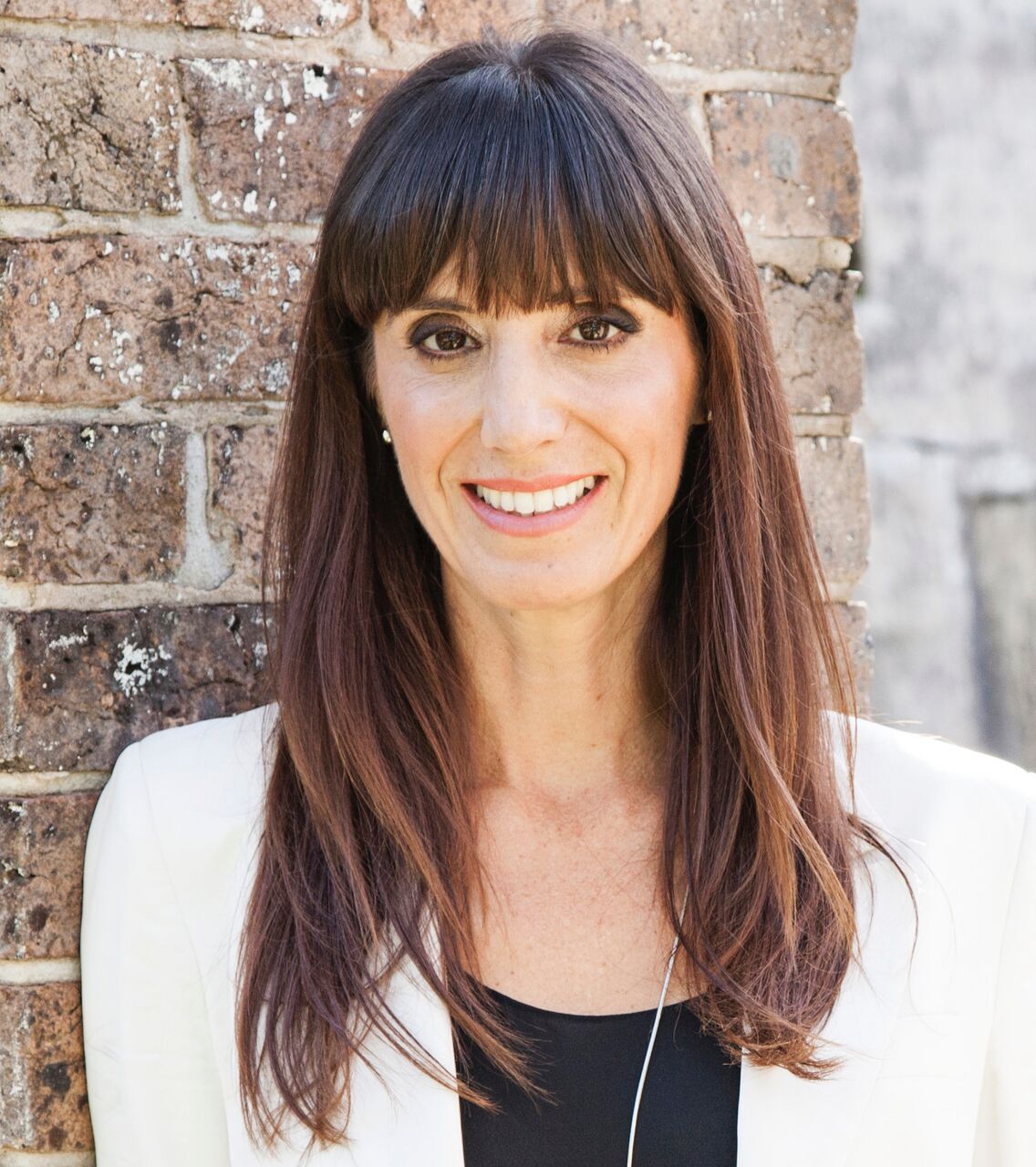 I am delighted that Tania Harris has agreed to guest blog on my site. A pastor, speaker and author she is also the founder of God Conversations, a global ministry that equips people to recognise and respond to God’s voice. She has recently released a book that is also called God Conversations. Tania is an ordained minister with the Australian Christian Churches and Hillsong is her church home in Sydney, Australia.
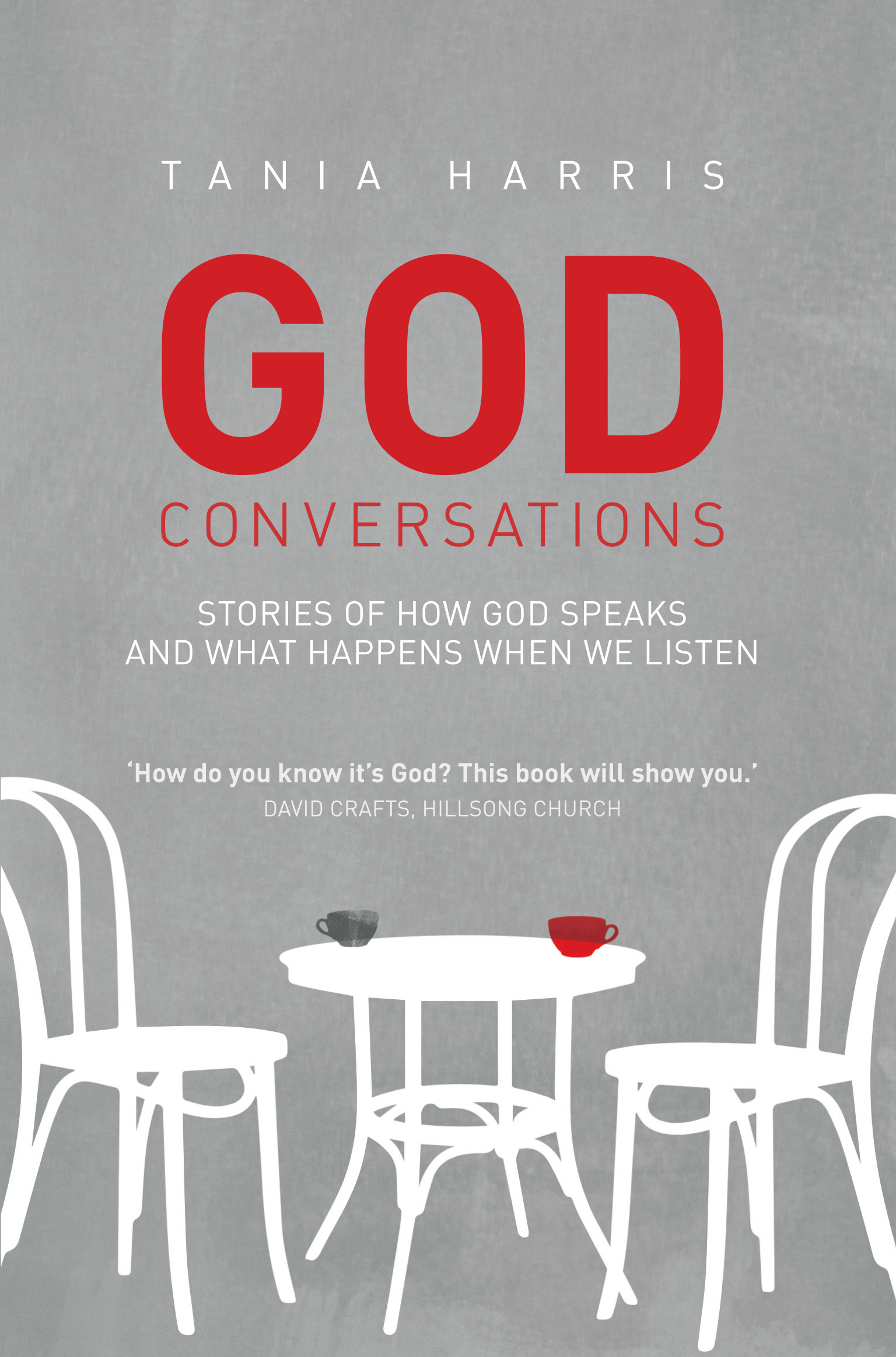 To read more of Tania’s journey with hearing God’s voice and the impact it has had on her own life, I would heartily recommend her book God Conversations. Do also check out her
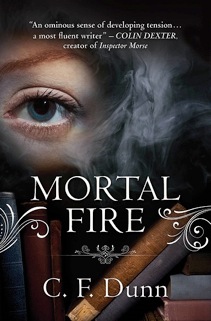 I can’t say I knew what I was doing when I started writing my debut novel – Mortal Fire – although I felt compelled to write for a reason I did not yet understand. Nor did I know where the journey would take me. For the first few years I struggled with how I could justify spending all that time writing when I could be doing something more, well, obviously God–driven, I suppose. After all, working at school with our inspirational special needs students was both a vocation and an immense blessing. However, write I felt I must, and so I ploughed on.
 By the time you reach that magic final book – Fearful Symmetry in my case – the world you have created is part of the beating heart within you: you live and breathe it day in, day out over years. As a result, finishing it – wrapping it all up and concluding it – might potentially be traumatic. Yes, it has been a major part of your life and you’ve cried with them, sweated and suffered with them; but does any part of you die with them when you write The End?
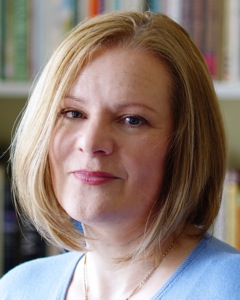 C.F. Dunn is the author of The Secret of the Journal series, published by Lion Fiction. The fifth and final book in the series – Fearful Symmetry – has been recently published. An educator at heart, she and her husband founded a school in Kent for children with dyslexia, autism, and anxiety. Returning to her roots as a historian, C.F. Dunn is currently working on the first book in a new historical series set in 15th-century England – a period of complex personalities and turmoil at the heart of the realm, where the king wore an uneasy crown.